White goods
Fridges, freezers, washing machines, dryers, ovens and similar bulky household appliances.
Pickup trucks active across Brisbane today
Bulky item collection
White goods and electronic items create different problems from a pile of plain metal. They can be heavy, awkward to carry, hard to transport and sometimes unsuitable for a general waste bin. Start with a precise item list so the right recycling path can be discussed.
What to include
The quickest appliance quote is an item-by-item message. It helps distinguish a straightforward ground-level pickup from a multi-item clear-out with stairs, restricted parking or electronics that need separate handling.
Fridges, freezers, washing machines, dryers, ovens and similar bulky household appliances.
Hot water systems, suitable air-conditioning units and other metal-heavy household equipment.
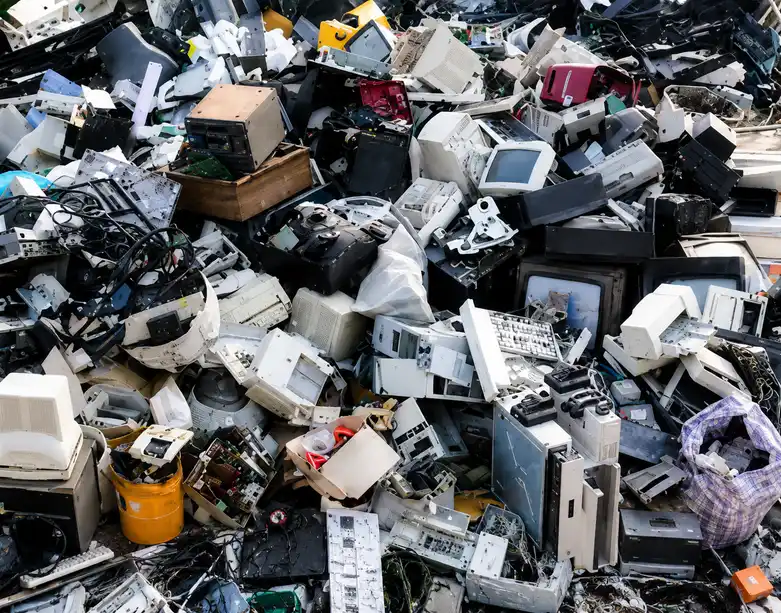
Computers, monitors, printers and suitable electronic items discussed from a clear item list.
Pickup process
Appliance recycling pickup works best when the collection route is treated as part of the job. A fridge in a garage is not the same lift as a washing machine upstairs behind a narrow turn.
List the appliance type, approximate size and quantity. Include electronics separately.
Mention stairs, lifts, gates, door widths, parking and carrying distance.
Keep batteries separate and describe them rather than adding them to a mixed pile.
Photograph any extra steel, copper or mixed scrap so the right service can be added.
Responsible options
Brisbane City Council lists electronic waste, small household appliances and white goods among the recyclable materials accepted at its resource recovery centres. That is a useful self-drop option for residents with suitable transport.
A pickup enquiry makes sense when the items are too bulky for your vehicle, difficult to lift safely, spread across a property or part of a wider clear-out. If the load also includes pipe, frames or workshop metal, compare our mixed scrap metal pickup guide.
Quote guidance
Item count, appliance size, weight, location and access all matter. A single washing machine beside a driveway can be simple to assess. Several appliances upstairs, a commercial office clear-out or a load with mixed electronics needs more information before collection is confirmed.
Renovations often leave a hot water system, an old oven and a handful of metal fittings in different parts of the property. An item list plus access photos lets us discuss the appliance pickup and identify whether the fittings belong under general scrap or a separate copper collection.
Preparing bulky items
For ordinary freestanding appliances, tell us whether the item is unplugged, empty and ready to move. Do not attempt a difficult disconnection or drag a heavy unit through a narrow doorway just to make the photos look tidy. Hard-wired, plumbed or otherwise fixed equipment may need a qualified trade professional before pickup. The right preparation is the preparation you can complete without risking injury, property damage or an unsafe appliance connection.
Office e-waste needs a slightly different checklist. Group computers, monitors, printers and cables by type and identify devices that may still hold business or personal data. Arrange appropriate data removal before equipment leaves your control, and keep loose batteries separate from the main pile. A clear inventory is more useful than stacking every electronic item together because it helps us discuss which items suit the pickup and which recycling path may be better.
For apartment buildings, offices and managed properties, include loading-bay hours, lift access and the contact details of anyone who needs to approve entry. Several small access constraints can matter more than the number of appliances. Photos of doors, stairs and parking areas make it easier to plan the carrying route and tell you what should remain in place until the collection window.
Add renovation offcuts, shelving and other metal items to the conversation.
Read service detailsDiscuss motors, radiators, batteries and smaller mixed items separately.
Read service detailsSeparate copper pipe and renovation offcuts for material-specific assessment.
Read service detailsService FAQ
List each bulky item, including fridges, freezers, washing machines, dryers, ovens, hot water systems and air conditioners. Add photos and mention stairs, lifts, narrow doors or long carrying distances so the collection can be assessed properly.
Suitable office e-waste can be discussed alongside appliances. Send an item list separating monitors, computers, printers and other electronics from bulky white goods. We will confirm what fits the pickup and what may need another recycling pathway.
No. Keep loose batteries separate and tell us what types you have. Queensland Government guidance says batteries and battery-operated devices should not go into kerbside waste or recycling bins because they can create fire and environmental risks.
Do not move a heavy appliance unsafely. Tell us exactly where the item sits and send photos of the access path. We can discuss whether the job is suitable and what preparation is useful before collection.
Get a clear quote
Send photos, quantities and access notes for a Brisbane appliance and e-waste recycling pickup conversation.